November 17, 2026
Your roof plays an essential role in protecting your home from rain, snow, wind, and changing temperatures. However, even a well-maintained roof eventually reaches the end of its useful life. Knowing when to replace it can help you avoid unexpected leaks, expensive interior damage, and emergency repairs. While some roofing problems are easy to spot, others develop gradually beneath the surface and may not become apparent until significant damage has occurred.
What Are the Signs That My Roof Needs Replacing?
One of the clearest indications that your roof may need replacing is its age. Most asphalt shingle roofs last approximately 20 to 30 years, although their actual lifespan depends on material quality, installation practices, maintenance, and local weather conditions. If your roof is approaching or exceeding its expected lifespan, scheduling an evaluation with roofing contractors can help determine whether repairs remain practical or a complete replacement makes more sense.
Visible deterioration also provides important clues. Look for curling, cracking, buckling, or missing shingles, as these conditions can leave the underlying roofing materials vulnerable to moisture. An accumulation of shingle granules in your gutters is another potential warning sign. Asphalt shingles gradually lose their protective granules as they age, leaving them increasingly susceptible to ultraviolet exposure and weather-related deterioration.
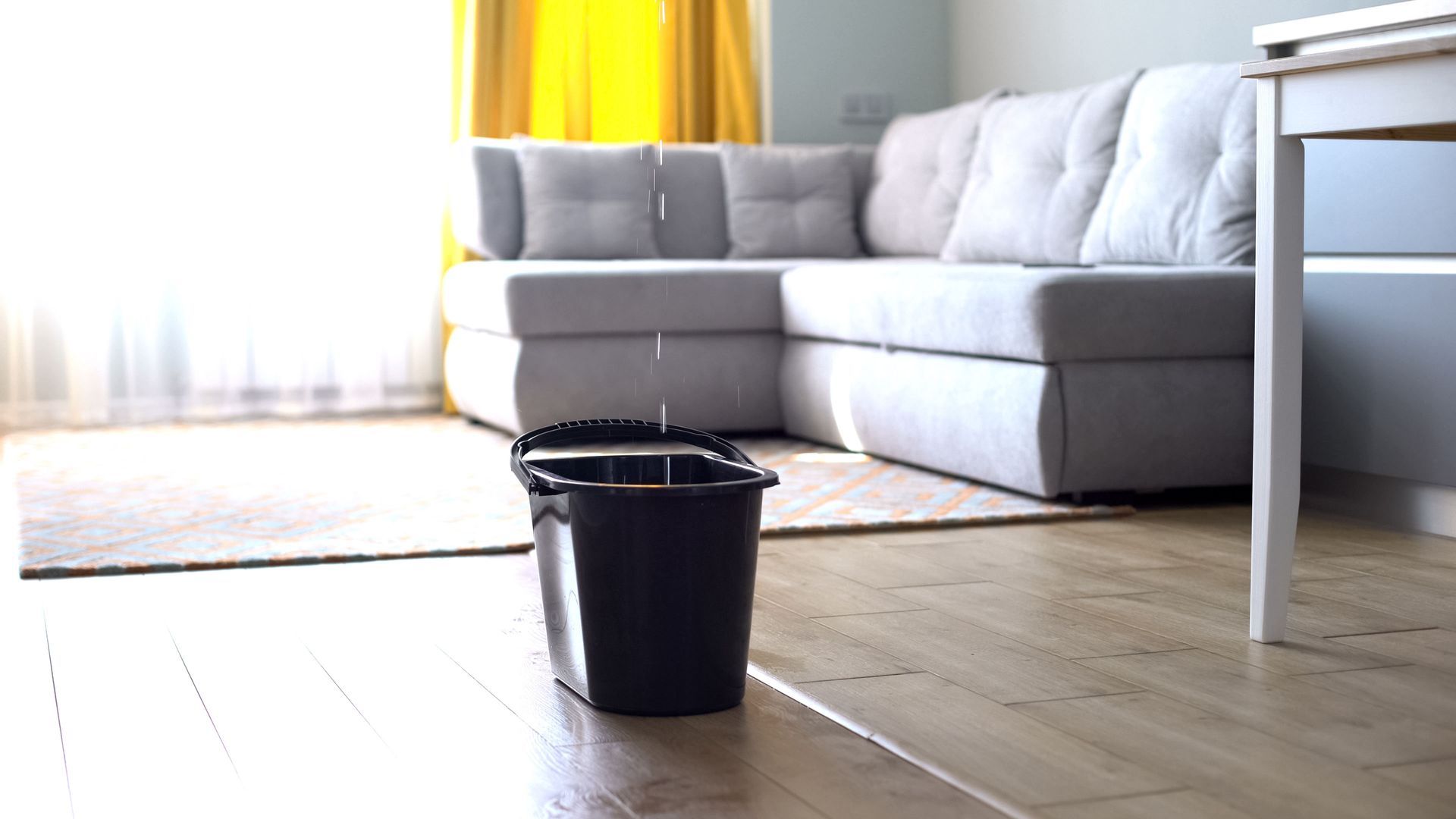
Water stains on ceilings and walls may indicate that moisture has penetrated the roofing system. Similarly, persistent leaks, damp attic insulation, mold growth, and daylight visible through attic boards can suggest more serious problems. However, not every leak automatically requires a complete replacement. The extent of the damage and the condition of the surrounding materials determine the most appropriate solution.
Weather-related damage is another important consideration. According to RubyHome, storm damage accounts for 33% of roof replacements. Severe winds, hail, falling branches, and heavy snowfall can compromise roofing materials, sometimes creating problems that are not immediately visible from the ground.
How Often Should I Have My Roof Inspected by Roofing Contractors?
Regular inspections help identify developing problems before they become expensive repairs. As a general guideline, homeowners should arrange a professional roof inspection at least once a year. Annual evaluations provide an opportunity to identify deteriorating materials, damaged flashing, drainage problems, and other concerns that might otherwise go unnoticed.
The timing of inspections also matters. Scheduling one in the spring or fall can help identify damage from winter weather or prepare the roof for colder temperatures. Homeowners in areas that experience substantial snowfall, freezing temperatures, and seasonal storms should pay particular attention to the condition of their roofing systems.
Additional inspections are worthwhile after severe weather. High winds can loosen shingles, hail can damage protective surfaces, and falling tree limbs can compromise roofing materials. Even when damage is not immediately apparent, a professional evaluation can reveal vulnerabilities that might eventually lead to leaks.
The recommended inspection frequency may also depend on the roof's age and condition. A relatively new roof in good condition might require less attention than an older installation showing signs of deterioration. Roofing contractors can recommend an appropriate maintenance schedule based on the materials used, the roof's age, and the property's exposure to severe weather.
What Are the Costs Involved in Replacing a Roof?
Roof replacement represents a significant home improvement expense, so understanding the factors that influence pricing is essential when preparing a budget. The total cost depends on several variables, including roof size, material selection, installation complexity, and the condition of the existing structure.
Roofing materials account for a substantial portion of the overall expense. Asphalt shingles are generally among the more affordable options, making them popular with homeowners seeking dependable protection without an especially large investment. Metal roofing typically costs more initially but can offer an extended lifespan and reduced maintenance requirements. Slate, tile, and other premium materials can involve considerably higher material and installation costs.
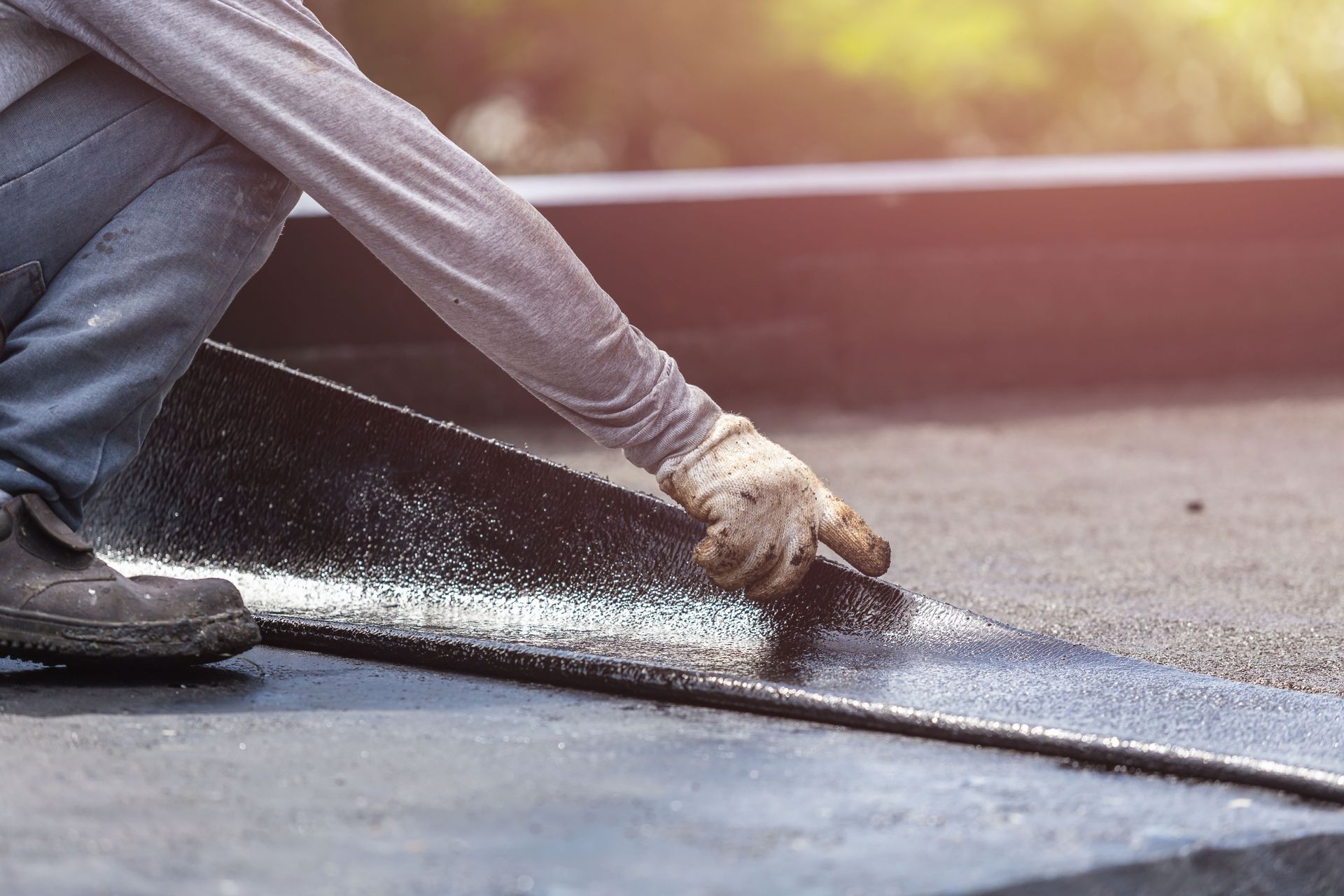
The roof's design also affects pricing. A simple roof with minimal slopes, valleys, and architectural features is generally easier to install than one with multiple angles, dormers, skylights, or steep pitches. More complicated designs require additional labor, specialized equipment, and careful attention to waterproofing details.
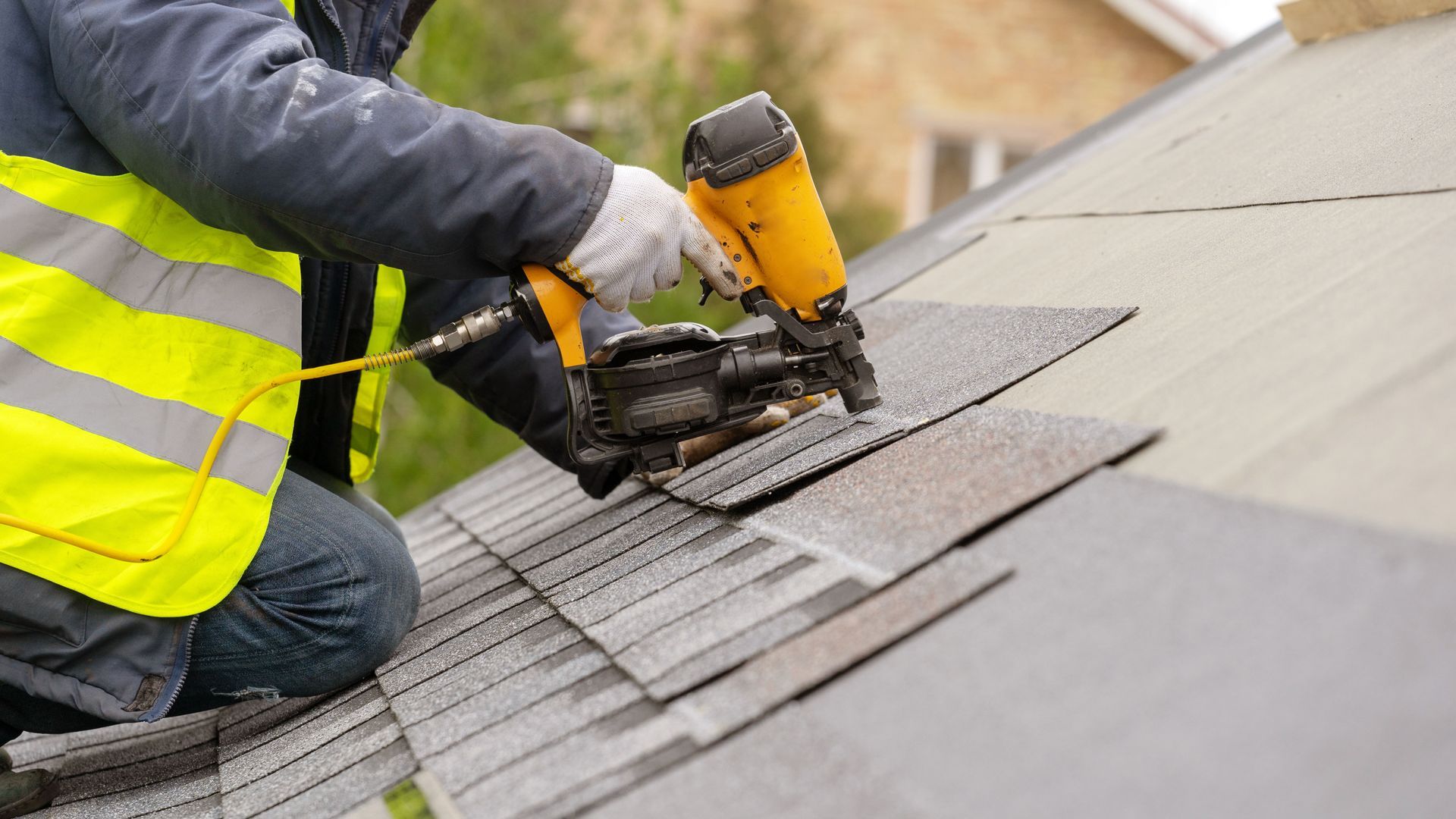
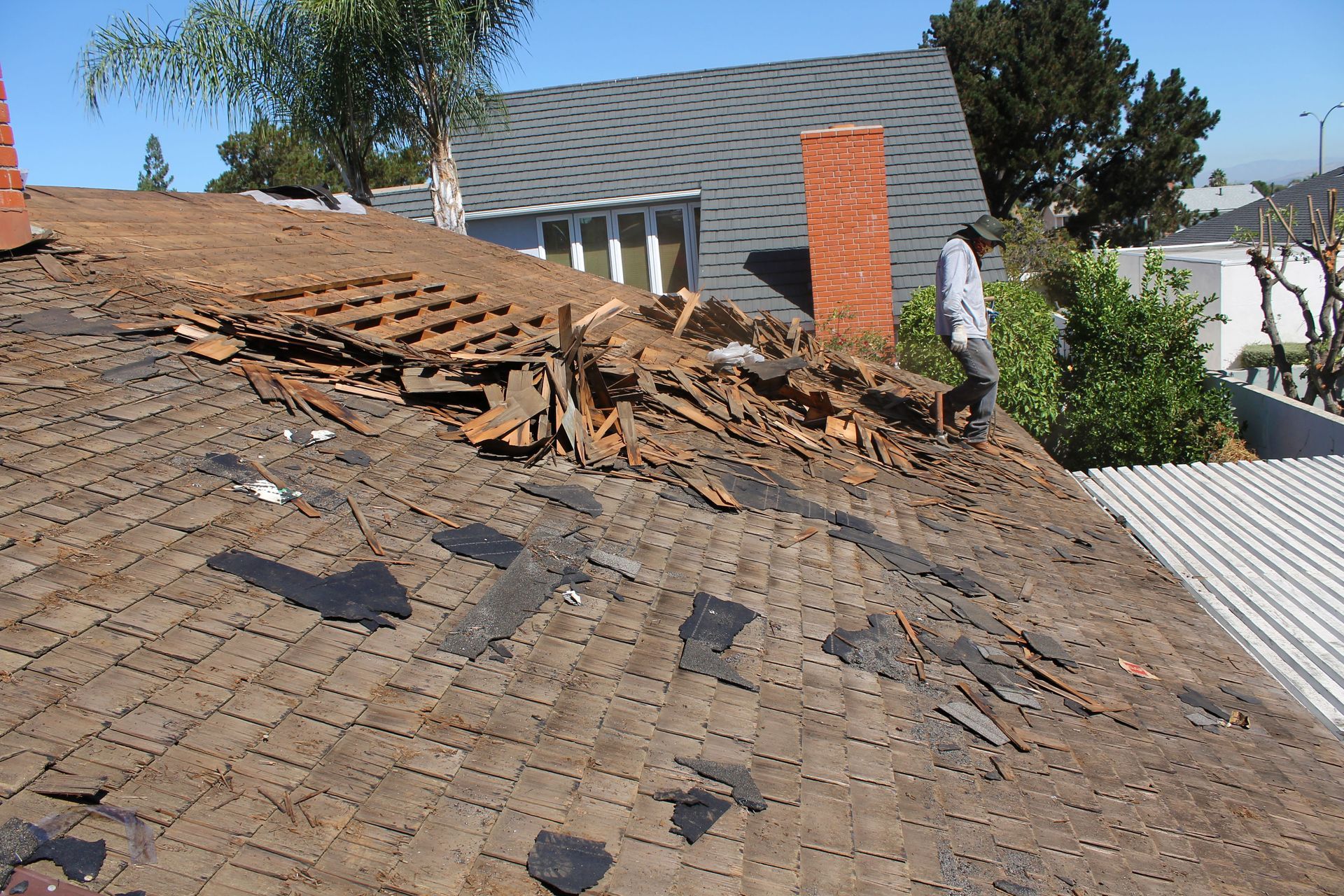
Another consideration is the condition of the existing roofing system. Once old shingles are removed, contractors may discover damaged decking, deteriorated flashing, or moisture-related problems that require additional work. Replacing these components can increase the project cost but is important for ensuring the new roof has a stable foundation.
How Do I Choose the Right Roofing Contractor?
Choosing the right professional is just as important as selecting suitable roofing materials. Even expensive products can perform poorly when installed incorrectly, so homeowners should carefully evaluate potential companies before signing an agreement.
Start by verifying that the contractor has the appropriate licensing and insurance for your location. General liability insurance and workers' compensation coverage help protect homeowners from certain financial responsibilities if accidents or property damage occur during the project. Ask for documentation rather than relying solely on verbal assurances.
Experience is another important consideration. Look for companies with a demonstrated history of completing projects similar to yours.
Roofing contractors familiar with your region will generally understand local building requirements and the weather-related challenges that affect residential roofs.
Customer reviews can provide additional insight into a company's reliability, communication, and workmanship. Check multiple independent review platforms and look for consistent feedback rather than relying on a handful of testimonials. You can also request references from previous customers and ask about their experiences with the installation process and any follow-up service.
Before accepting an estimate, ask questions about the materials being proposed, the anticipated project timeline, cleanup procedures, and warranty coverage. A reputable professional should be willing to explain the work clearly and provide a written contract outlining the project's scope, payment schedule, and responsibilities.
What Is the Best Time of Year to Replace My Roof?
The best time to replace a roof depends on your location, climate, roofing materials, and contractor availability. However, spring and fall are generally favorable seasons for residential roofing projects because temperatures are often moderate and weather conditions can be more predictable.
Spring offers an opportunity to address damage caused by winter storms before heavy summer rainfall arrives. Replacing a deteriorating roof during this period can help prevent existing vulnerabilities from developing into more serious leaks. However, frequent spring showers may occasionally delay installation.
Fall is another popular option. Moderate temperatures can provide suitable conditions for installing many common roofing materials, while completing the project before winter helps prepare the home for snow, ice, and freezing temperatures. Homeowners in colder regions may benefit from scheduling work early enough in the season to avoid unexpected weather interruptions.
Summer can also be appropriate, although extreme heat may create challenging working conditions and affect certain installation materials. Contractors may need to adjust their schedules to avoid the hottest parts of the day. Winter installations are possible in some circumstances, but freezing temperatures, snow, and ice can complicate the process and limit the materials that can be installed safely.
Knowing when to replace your roof involves more than simply considering its age. Visible deterioration, recurring leaks, storm damage, and underlying structural problems can all indicate that replacement deserves consideration. Regular inspections, realistic budgeting, and careful contractor selection can help you make an informed decision while avoiding unnecessary expenses. By working with experienced roofing contractors and choosing appropriate materials and installation timing, you can protect your home, improve its long-term durability, and enjoy greater confidence in your roof's ability to withstand the elements. If you're looking for a roof, reach out to 5K Commercial Roofing LLC today!