November 16, 2026
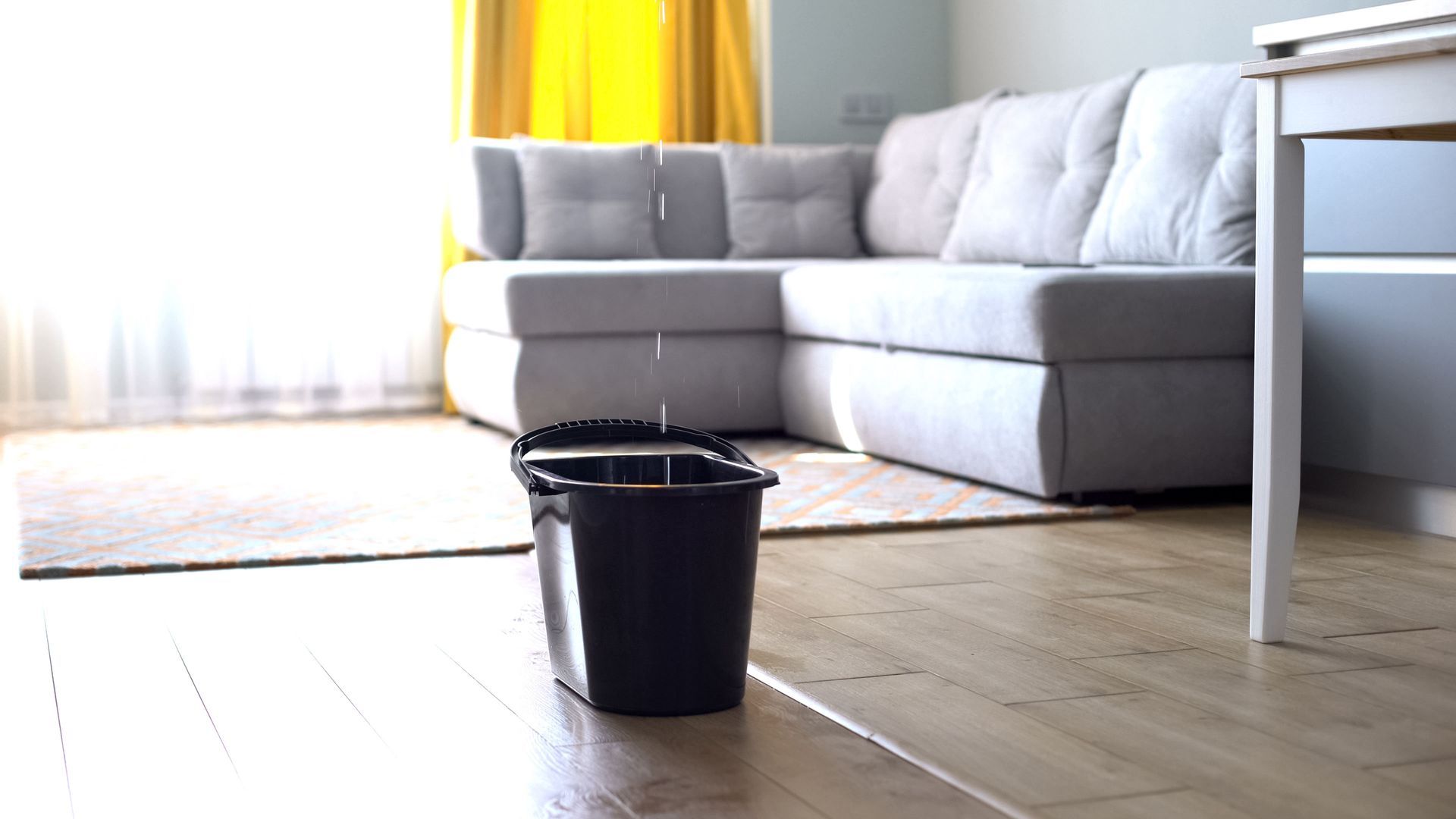
Dealing with water intrusion in a commercial or residential building is one of the most frustrating challenges a property owner can face. Left unaddressed, persistent leaks compromise structural framing, ruin insulation, destroy inventory, and foster hazardous mold growth. For decades, the standard response to chronic water penetration was straightforward: strip the existing assembly down to the deck and install a brand-new roof. Today, advanced fluid-applied membrane systems offer a less invasive alternative. Roof coatings restore degraded substrates, seal seams, and create a waterproof envelope directly over the existing substrate. Understanding how liquid-applied restorative membranes function, where they deliver value, and when building owners should consult certified roofing contractors can save substantial funds while eliminating facility downtime.
Understanding Fluid-Applied Roof Restoration
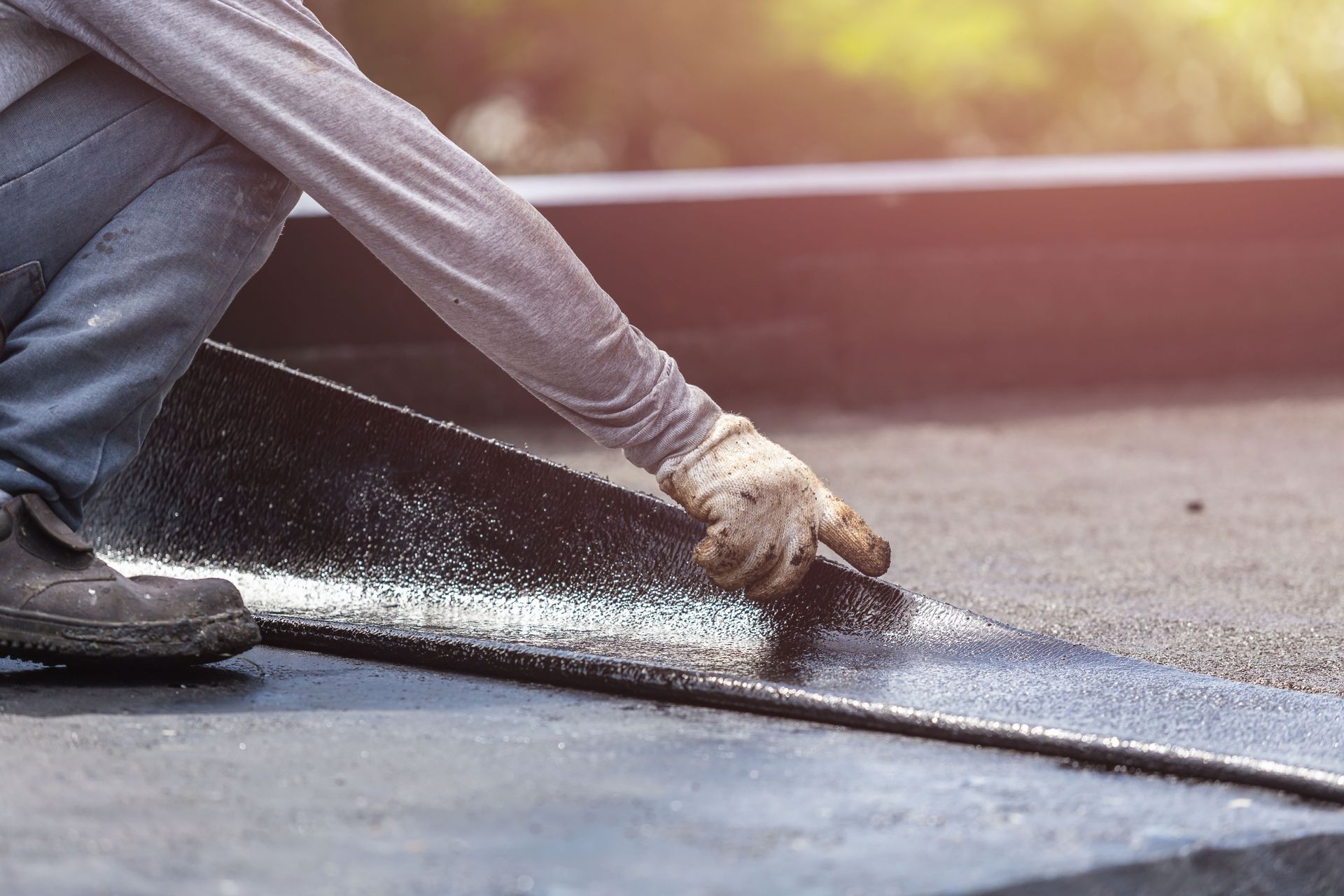
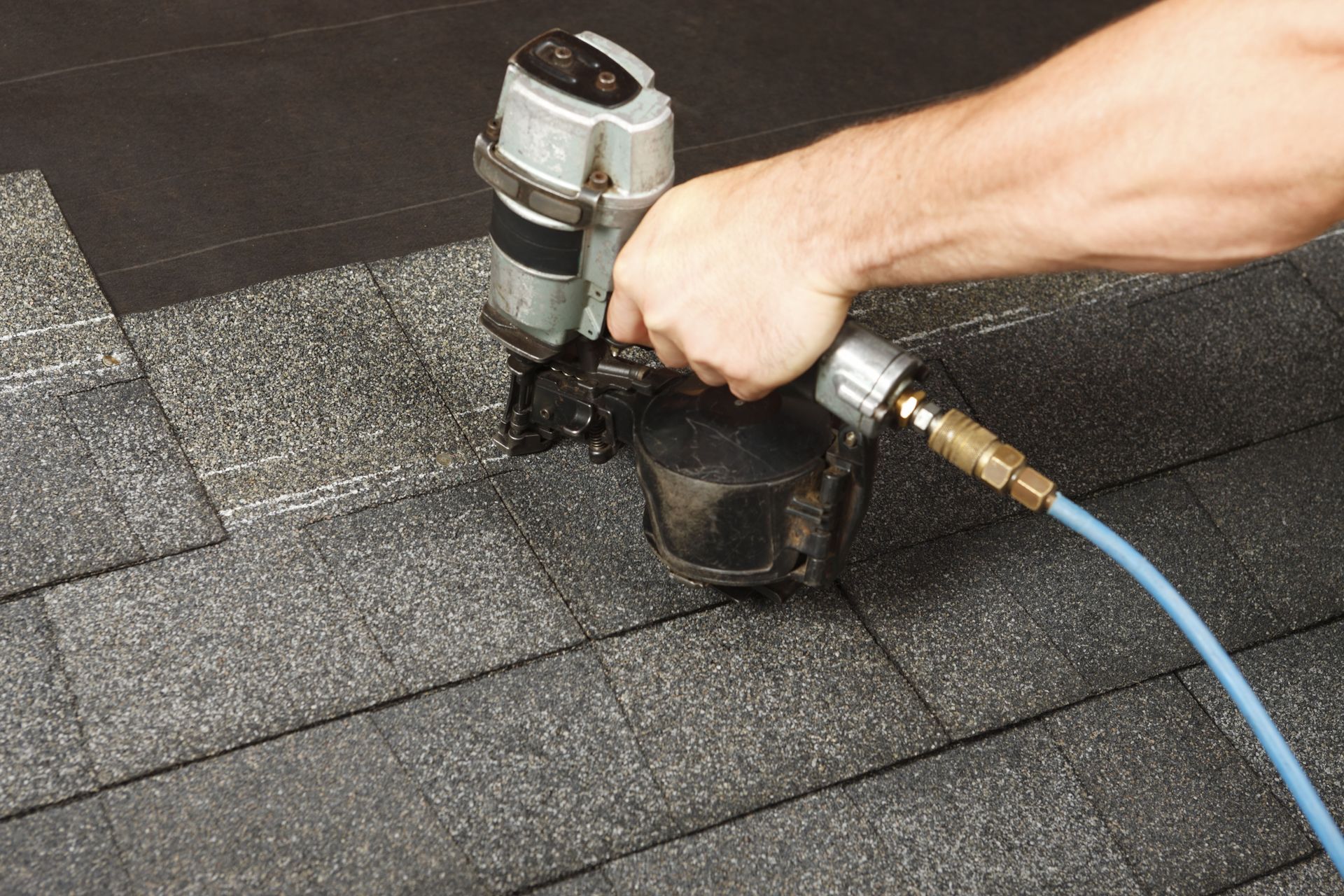
A roof coating is a thick, elastomeric fluid engineered specifically to protect and seal building envelopes. When applied across a prepared roof surface, the coating cures into a continuous membrane without seams, mechanical fasteners, or joints. Traditional roofing assemblies often fail at the seams. Whether dealing with modified bitumen laps, single-ply sheet welds, or mechanical fasteners on metal panels, environmental cycles cause sheets to pull apart and fasteners to back out. Fluid membranes eliminate this vulnerability. By flowing into hairline cracks, bridging flashing transitions, and encapsulating fastener heads, the liquid system forms an uninterrupted moisture barrier across the entire surface. This continuous barrier eliminates the common weak points that frequently plague aged mechanical assemblies. Beyond stopping active leaks, reflective elastomeric coatings act as a protective shield against solar radiation and thermal shock, lowering surface temperatures and slowing down thermal fatigue.
Evaluating When Repair Is Preferable to Replacement
Building owners frequently assume that multiple leaks mean the entire roof assembly has failed. In reality, structural roof decks and insulation boards often remain fundamentally sound while water simply finds isolated pathways through perimeter flashing, expansion joints, or seams. According to Today’s Homeowner, repairing a roof is usually the better choice if it is less than 15 years old and the damage remains minor. When structural integrity is intact and moisture has not saturated the insulation substrate, a complete tear-off is often an unnecessary expense. Certified roofing contractors evaluate moisture levels across the roof deck using thermal imaging or core samples. If the existing insulation is dry and structurally stable, removing it creates unnecessary labor, excessive landfill waste, and needless exposure of the building interior to unpredictable weather during construction. Restorative coatings capitalize on this reality by reinforcing the existing substrate into a secondary defense layer beneath a seamless monolithic cap.
Classifying Primary Types of Roof Coating Chemistry
Different roof assemblies demand different chemical formulations, and applying an incompatible chemistry can lead to poor adhesion, blistering, and premature failure. Experienced roofing contractors generally choose between three core coating chemistries:
Silicone represents a reliable choice for roofs prone to ponding water. Unlike water-based options, silicone cures through atmospheric moisture exposure and produces an inorganic finish that does not break down under standing water. Silicone coatings offer durability against ultraviolet exposure and perform well across single-ply membranes like EPDM, TPO, and PVC, as well as structurally sound metal roofs.
Acrylic coatings are water-based formulations suited for areas with positive drainage and steep-slope configurations. They provide ultraviolet defense and are among the most economical choices available. Because acrylics cure through evaporation, they require dry, warm conditions during application and perform well on modified bitumen, built-up roofing, and metal panels.
Polyurethane coatings are valued for mechanical strength, impact resistance, and durability. Often applied in multi-coat systems, polyurethanes withstand rooftop foot traffic and harsh industrial discharge. These systems are frequently chosen for manufacturing facilities and properties where maintenance personnel regularly access rooftop HVAC equipment.
Sealing Problem Areas Without Operational Disruption
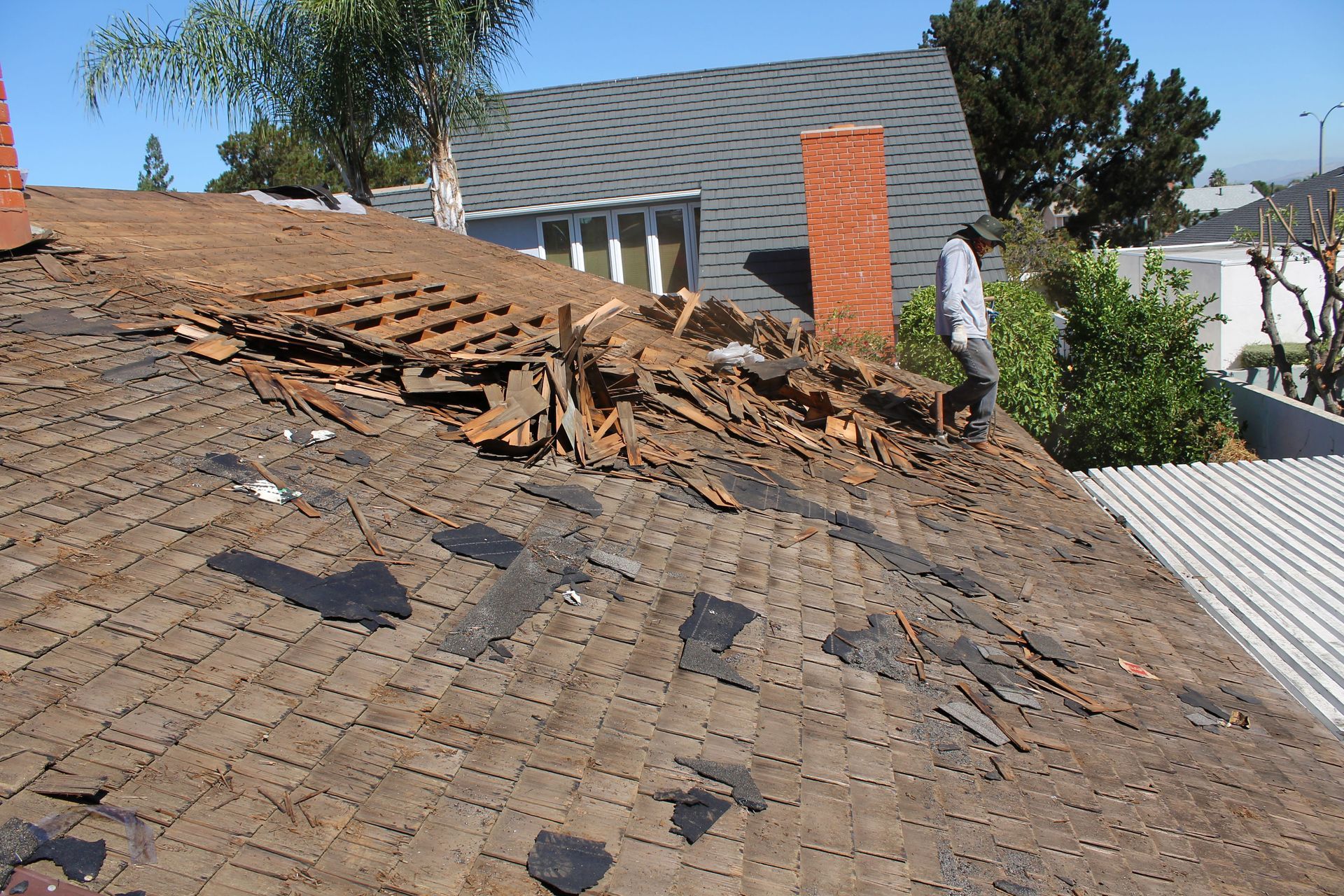
Traditional tear-offs involve heavy machinery, dumpster loading, falling debris, odors, and interior disruption. Liquid-applied restoration systems are installed with minimal noise and zero structural demolition. The installation focuses heavily on reinforcing the primary stress points of the roof:
Before the full coating is applied, seams, laps, and joints are treated with an elastomeric sealant or embedded fabric to bridge moving joints. On metal roofs where screws loosen over years of vibration, each fastener head is individually sealed to prevent moisture migration. Flashing transitions around chimneys, skylights, plumbing vents, and HVAC curbs are also detailed with fluid membranes that conform to irregular shapes where traditional sheet flashing tends to pull away. Once all vulnerabilities are detailed, the field coating is applied in uniform passes to establish an impermeable shield. This methodical preparation ensures that vulnerable penetrations receive targeted, durable protection before the final layer is laid down.
Maximizing Financial and Operational Advantages
From an accounting perspective, a fluid-applied restoration project behaves differently from a conventional roof replacement. A complete tear-off is typically categorized as a capital expenditure that must be amortized and depreciated over a lengthy multi-decade schedule. When reputable roofing contractors restore an existing roof rather than replacing it, the project is frequently classified as building maintenance and repair, allowing costs to be deducted as an operating expense in the year incurred. Furthermore, skipping demolition and landfill disposal keeps overall project expenses lower while reducing utility cooling loads through reflective surfaces.
Executing the Standard Restoration Process
A fluid-applied membrane will only adhere reliably if the underlying surface is properly prepared. Quality roofing contractors follow a sequential process to ensure long-term performance:
The roof surface is first thoroughly cleaned using pressure washing to remove grease, dirt, and biological growth. Any localized damp insulation identified during pre-inspection is removed and replaced with fresh board stock to restore structural continuity. Technicians conduct adhesion peel tests on sample patches to ensure a permanent bond to the substrate before applying appropriate primers to prevent bleed-through or enhance adhesion. High-movement flashings and seams are reinforced, and the liquid membrane is then applied to the required thickness. Adhering to these precise application guidelines guarantees that the new membrane bonds securely across every square foot.
Identifying When a Tear-Off Is Necessary
While liquid restoration delivers immense value, it is not appropriate for every failing roof. Responsible roofing contractors will advise a complete tear-off when non-destructive scans reveal widespread moisture saturation throughout the internal insulation, as coating over trapped water leads to substrate decay. Similarly, if metal or wood decking has experienced severe structural degradation, surface membranes cannot restore structural safety. Building owners must also consult local building codes, which often restrict the maximum number of roof layers allowed on a commercial structure before a full removal is legally required.
Sustaining Building Preservation and Environmental Standards
Beyond financial performance, liquid restoration addresses growing environmental priorities by avoiding landfill disposal. Traditional roof tear-offs generate substantial amounts of non-biodegradable construction debris. Restoring an existing substrate extends the roof's useful service life without sending sound materials to waste facilities. Furthermore, when the lifespan of a protective coating concludes, the surface can simply be cleaned and recoated with a fresh top layer to sustain ongoing weather protection.
Water leaks do not have to signal the costly, disruptive end of your building’s roofing system. Through advanced fluid-applied membrane technologies, commercial and residential structures can achieve superior waterproof protection, enhanced energy efficiency, and extended service lives without the noise, mess, and expense of a full tear-off. By reinforcing critical seams, sealing penetrations, and creating a continuous protective shield, roof coatings provide a sensible alternative to traditional replacement. To discover how a customized liquid-applied membrane can protect your facility and eliminate leaks for decades, contact 5K Commercial Roofing LLC to schedule your professional roof evaluation today.