July 15, 2026
As traditional building materials face increasingly unpredictable weather patterns, severe storms have rapidly emerged as the leading cause of sudden residential property damage. However, because a home’s structural integrity relies heavily on a complex system of decking, underlayment, and flashing, identifying true storm damage requires a trained eye. Knowing how to efficiently navigate the digital landscape to identify, evaluate, and connect with experienced professionals is the ultimate key to transforming your post-storm stress into structural reality.
The Impact of Severe Weather on Roofs
Types of Severe Weather and Roof Damage
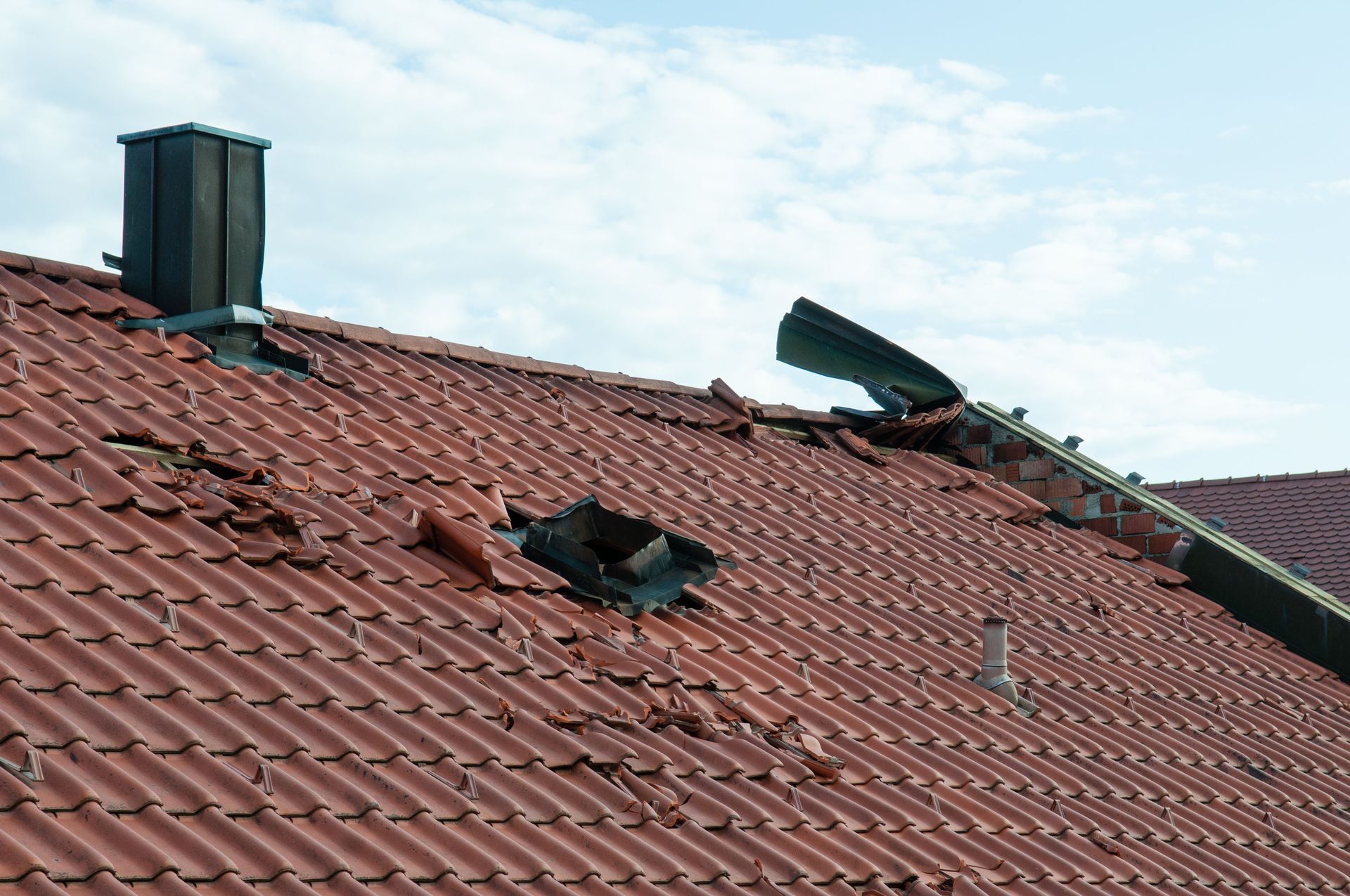
Severe weather can manifest in numerous ways, including heavy rain, hailstorms, hurricanes, and tornadoes. Each type of weather phenomenon impacts roofing systems differently. For instance, heavy rain can lead to water seeping under shingles, while hail can cause dents and fractures. Hurricanes and tornadoes, with their powerful winds, can result in shingles being ripped off entirely. Understanding these differences is crucial for assessing the specific damage a roof may endure.
Short-term vs Long-term Damage
It is essential to differentiate between short-term and long-term roof damage post severe weather events. Short-term damage refers to immediate impacts that are visibly apparent, such as missing shingles or apparent leaks. Addressing these promptly can prevent further deterioration. However, long-term damage might remain hidden initially and can include structural issues or eventual leakage problems. Missing early signs can result in costly repairs later on, which is why consulting a reputable roofing company right away is vital to a home's longevity.
Visible and Hidden Signs of Roof Damage
Visible signs of roof damage, such as missing shingles or obvious leaks, are easier to spot but should never be underestimated. Immediate repair of these issues is crucial to prevent further structural complications. However, just because damage isn't visible doesn’t mean it's not there. Hidden damage, like subtle cracks or loose flashing, may go unnoticed by the untrained eye but can be equally debilitating over time. Such concealed issues make professional evaluations from an experienced roofing company all the more necessary.
The Cost of Ignoring Roof Damage
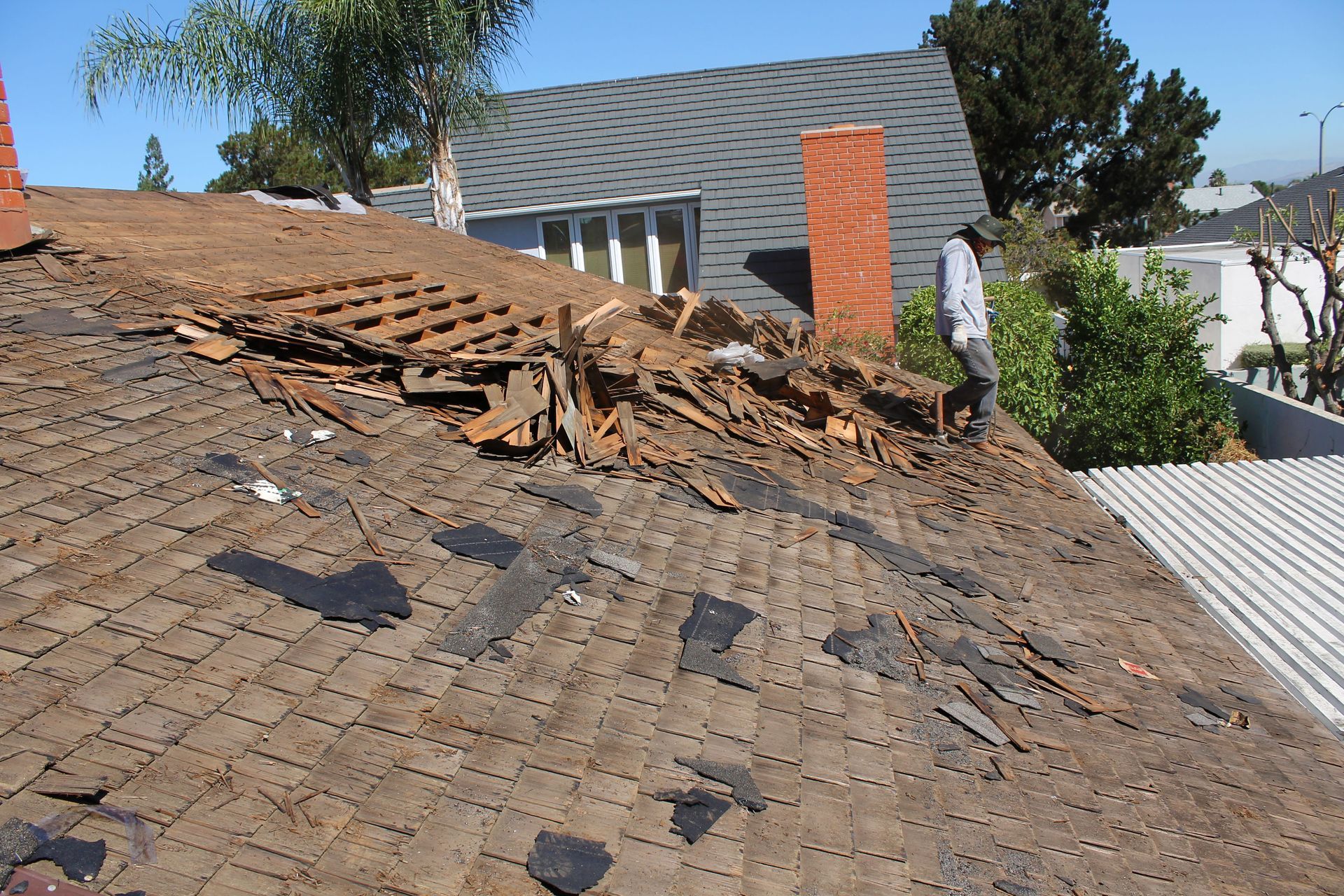
Ignoring roof damage can lead to escalating costs that far exceed initial repair expenses. A minor leak or a couple of missing shingles might seem trivial initially; however, left unaddressed, such issues can culminate in substantial structural damage over time. Water penetration can compromise wooden beams, silently causing them to rot, while pervasive leaks can exacerbate mold issues. These secondary problems often require comprehensive repairs, significantly increasing overall costs.
Statistical Data on Weather-related Roof Damage
Weather-related roof damage is a prevalent issue affecting millions of homes each year. The rise in frequency and intensity of storms, hurricanes, and other severe weather events correlates with increased damage reports. According to data by RubyHome, approximately 5 million brand-new roofs are built annually across the United States, illustrating the sheer volume of structural upkeep required to protect American homes. Because roofing damage stands as one of the primary claims made to insurance companies post-storm events, homeowners spend billions annually on repairs and replacements due to weather-induced damage.
The Importance of Timely Roof Inspections
Immediate vs Delayed Inspection Benefits
Timely roof inspections immediately after severe weather provide crucial insights into the condition of a roof. Immediate inspections can reveal urgent vulnerabilities that need addressing before causing further damage. Preventative in nature, these prompt assessments facilitate swift intervention and necessary repairs, minimizing potential damage and expense. Conversely, delaying your call to a local roofing company allows existing problems to exacerbate unnoticed, leading to more extensive repair costs.
What a Professional Inspection Entails
A professional roof inspection provides a meticulous evaluation of a roof's condition. It begins with assessing the external roof components, such as shingles, flashing, gutters, and chimneys, to identify visible signs of damage or wear. Inspectors also evaluate vulnerable areas where damage often originates, ensuring nothing is overlooked. Subsequently, a thorough examination of interior structures follows, focusing on attics and ceilings for signs of water damage, insulation problems, or mold development. This comprehensive process identifies areas of immediate concern requiring prompt resolution.
Tools and Technology Used in Inspections
Contemporary roof inspections are heavily reliant on advanced technology and specialized tools for precise assessments. Experts from a qualified roofing company utilize infrared cameras to detect hidden moisture pockets that remain invisible to the naked eye while assessing thermal inconsistencies indicating potential leaks. Drones equipped with high-resolution cameras provide bird’s-eye views of roof structures, capturing comprehensive footage across vast areas with ease. These technologies ensure accurate evaluations, reducing human error and highlighting areas of concern efficiently.
Common Findings During Inspections
Roof inspections frequently uncover several chronic issues, often exacerbated post-trauma by adverse weather conditions. Shingle defects, such as curling, cracking, or missing shingles, emerge as widespread concerns, especially in aging roofs. Flashings often appear rusted or improperly sealed around skylights and chimneys, necessitating urgent attention. Additionally, pooling water in low drainage areas or gutter blockages often surface as prevalent findings during inspections. Contracting a professional roofing company to handle these common observations is pivotal in fortifying the structure against further water infiltration.
Risks of DIY Roof Inspections
While DIY roof inspections might seem economical, they carry considerable risks that could induce adverse outcomes. Roofing is inherently precarious terrain, increasing the risk of falls, a prominent safety hazard in unsupervised settings. Without proper equipment and expertise, climbing ladders and navigating roof structures poses significant danger. Rather than saving costs, such injuries can impose hefty healthcare expenses, far outweighing expenses incurred by hiring professional services. Ensuring safety is paramount, further solidified by employing a trained roofing company for inspection jobs inherently risky for untrained individuals.
Advantages of Professional Roof Repairs
Expertise and Experience in Roofing
Hiring professionals for roof repairs leverages their vast experience and specialized expertise in managing diverse roofing challenges. Seasoned roofers utilize accumulated knowledge to diagnose and remediate problems efficiently, circumventing pitfalls inexperienced individuals might encounter. This experience translates to implementing best practices that address not just the symptoms but the root causes of roofing issues. Their familiarity with varied architectural styles enables them to navigate unique home requirements adeptly, customizing repair approaches to augment robustness against future weather phenomena.
Quality Materials and Techniques
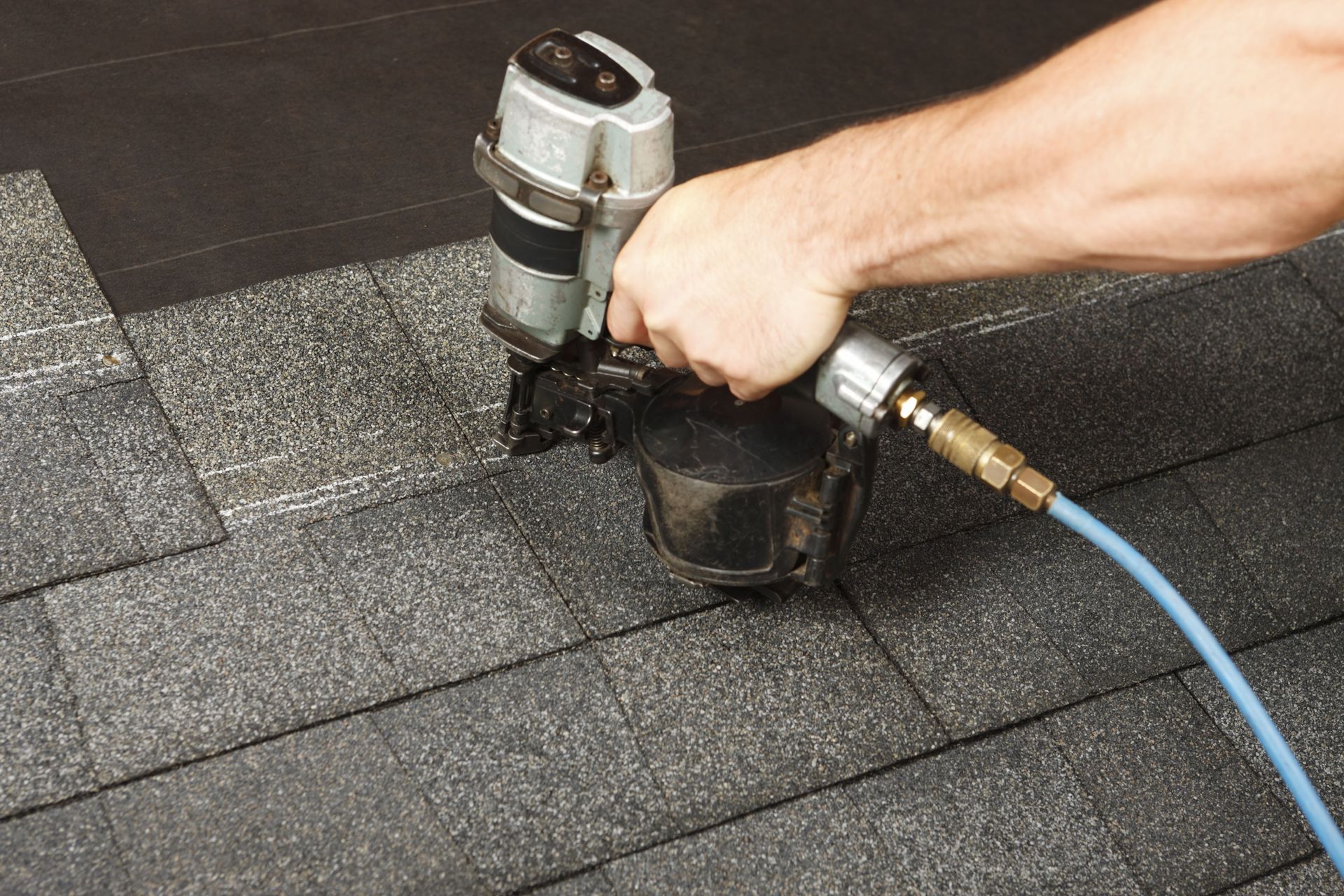
Engaging professional roofing services ensures the use of high-quality materials and state-of-the-art repair techniques. A dedicated roofing company possesses access to industry-grade materials unavailable at retail levels, necessary for executing durable solutions. These materials, crafted to endure extreme weather conditions, provide enhanced protection that extends beyond traditional offerings. Roofers’ vendor networks and established partnerships facilitate this material access, securing inclusive warranties that underscore their material assurances. Ensuring premium inputs contribute critically to durable, sustainable roofing solutions crafted by professionals.
Safety and Efficiency in Repairs
Safety and efficiency remain paramount considerations during any roofing repair endeavor, best upheld by professional specialists trained to navigate these complexities seamlessly. Experienced roofers prioritize adherence to safety protocols rigorously executed to mitigate risk effectively during repair processes. Their familiarity with occupational safety procedures, such as identifying fall risks and utilizing safety harnesses, reinforces this commitment profoundly. Employing proven safety methodologies eliminates common hazards confronted during roofing projects often underestimated by non-professionals.
Embarking on a storm restoration project requires a foundation of absolute trust, making a thorough online vetting process an indispensable step in your structural recovery. By taking the time to define your project scope, verify credentials across digital directories, and closely analyze real customer testimonials, you drastically minimize the risks of costly building delays or structural errors. Securing an expert team who respects both your budget and your architectural vision ensures that your custom home will stand as a resilient, low-maintenance haven for decades to come. Don't wait for hidden water damage to compromise your home's safety; contact a professional roofing company today to schedule your comprehensive post-storm inspection!