June 13, 2026
The roof is one of the most critical components of any home, and its maintenance should never be overlooked. Regular roof maintenance plays a significant role in prolonging the lifespan of the roof and preventing costly damage. Ignoring the signs of roofing problems can lead to severe consequences, including structural damage, mold growth, and increased repair costs. According to IBISWorld, the total revenue of the U.S. roofing industry exceeds $99.8 billion. Being proactive about roof maintenance can safeguard the well-being of your home and family while avoiding unexpected expenses down the road.
1. Visible Leaks and Water Damage
1.1 Identifying Leaks: Where to Look
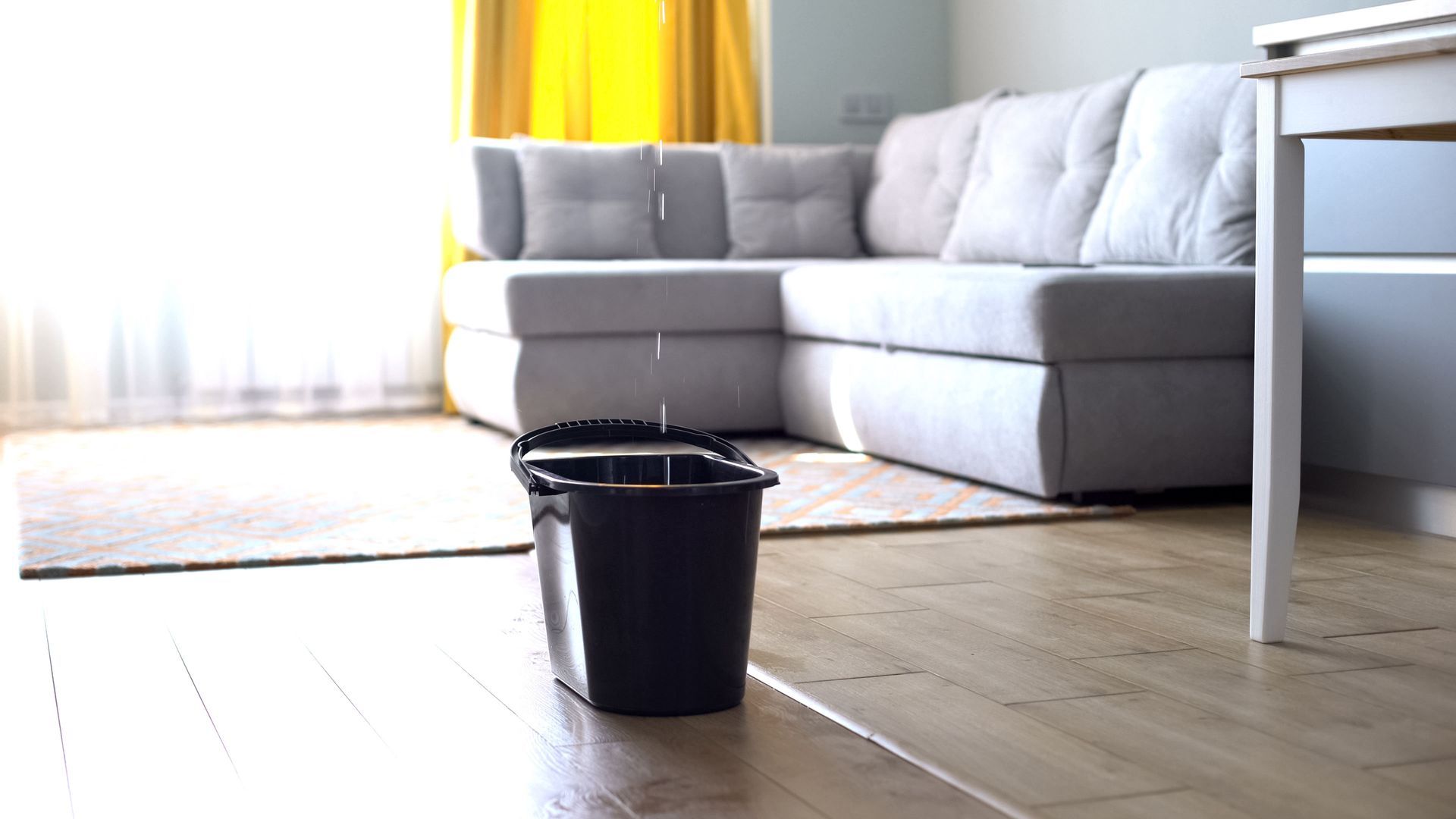
Visible leaks are the most apparent sign that your roof requires professional attention. These leaks are often found in areas prone to water exposure, such as around chimneys, skylights, or vent pipes. Water stains on walls or ceilings can also indicate a roofing problem that needs to be addressed immediately. It's crucial to inspect your attic after heavy rain to look for signs of water penetration, as catching these signs early can prevent severe damage later. Walking around the exterior of the house to check for pooling water near the foundation is another important step in identifying leaks.
1.2 Consequences of Ignoring Water Damage
Ignoring water damage can lead to significant problems inside your home. Moisture can lead to mold and mildew growth, which poses health risks and deteriorates building materials. Structural elements like ceiling joists, wall framing, and even the foundation could be compromised by prolonged exposure to water. Additionally, continuous water damage can impact the insulation in your attic, reducing energy efficiency. Addressing these issues promptly prevents extensive damage and high repair costs.
1.3 Temporary Fixes vs. Professional Repairs
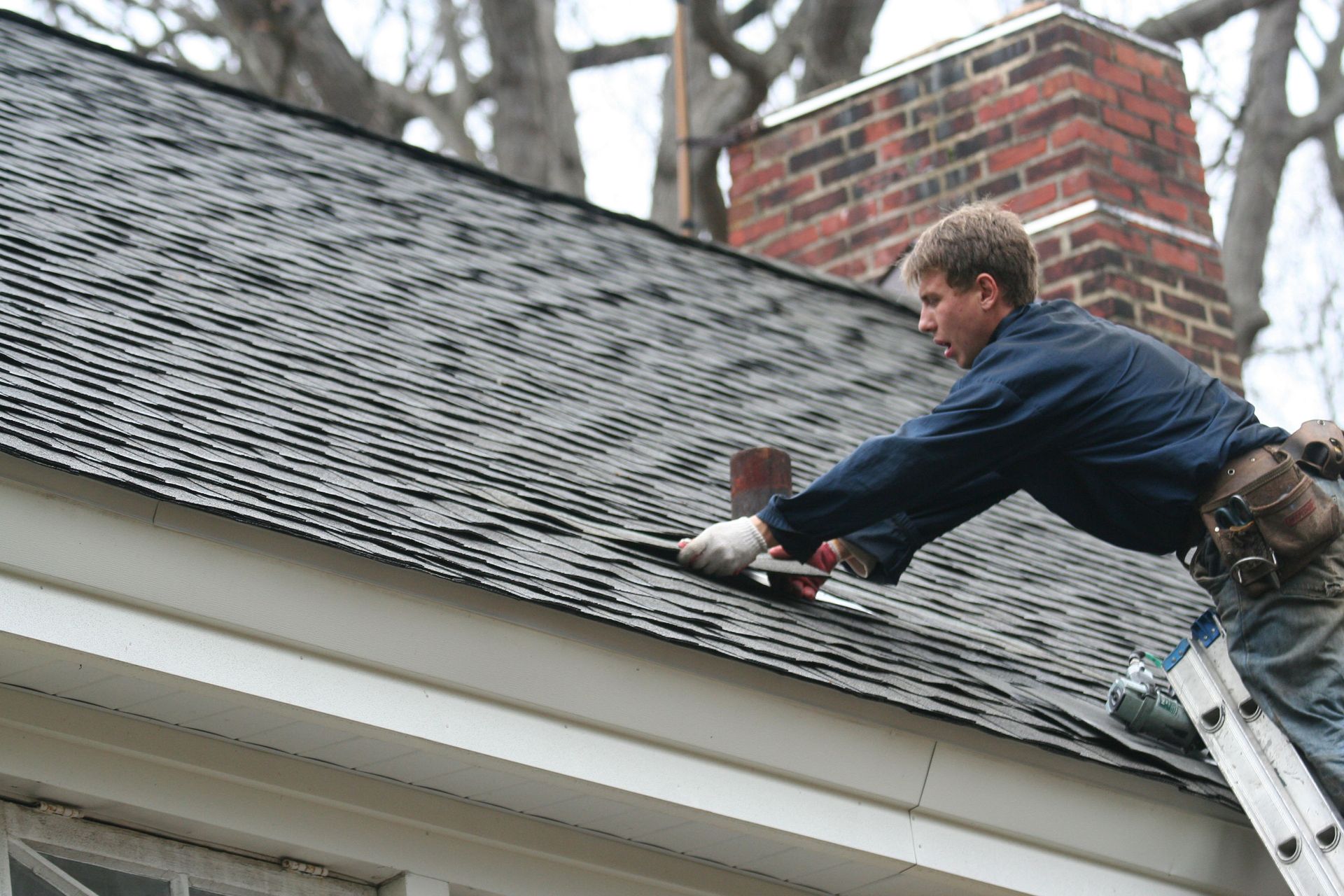
While some homeowners might consider temporary fixes such as patching a roof leak, these solutions often do not address the underlying issues. These quick fixes can serve as a stopgap but are not substitutes for comprehensive professional repairs. Temporary measures may sustain the roof for a short period, but an experienced roofing contractor is crucial to conduct a thorough inspection and recommend a long-lasting solution. Not fixing leaks not only diminishes roof integrity but also poses risks for future problems during heavy rain or winter storms. Investing in professional repair services secures the structural and functional integrity of your roof.
2. Damaged or Missing Shingles
2.1 Common Causes of Shingle Damage
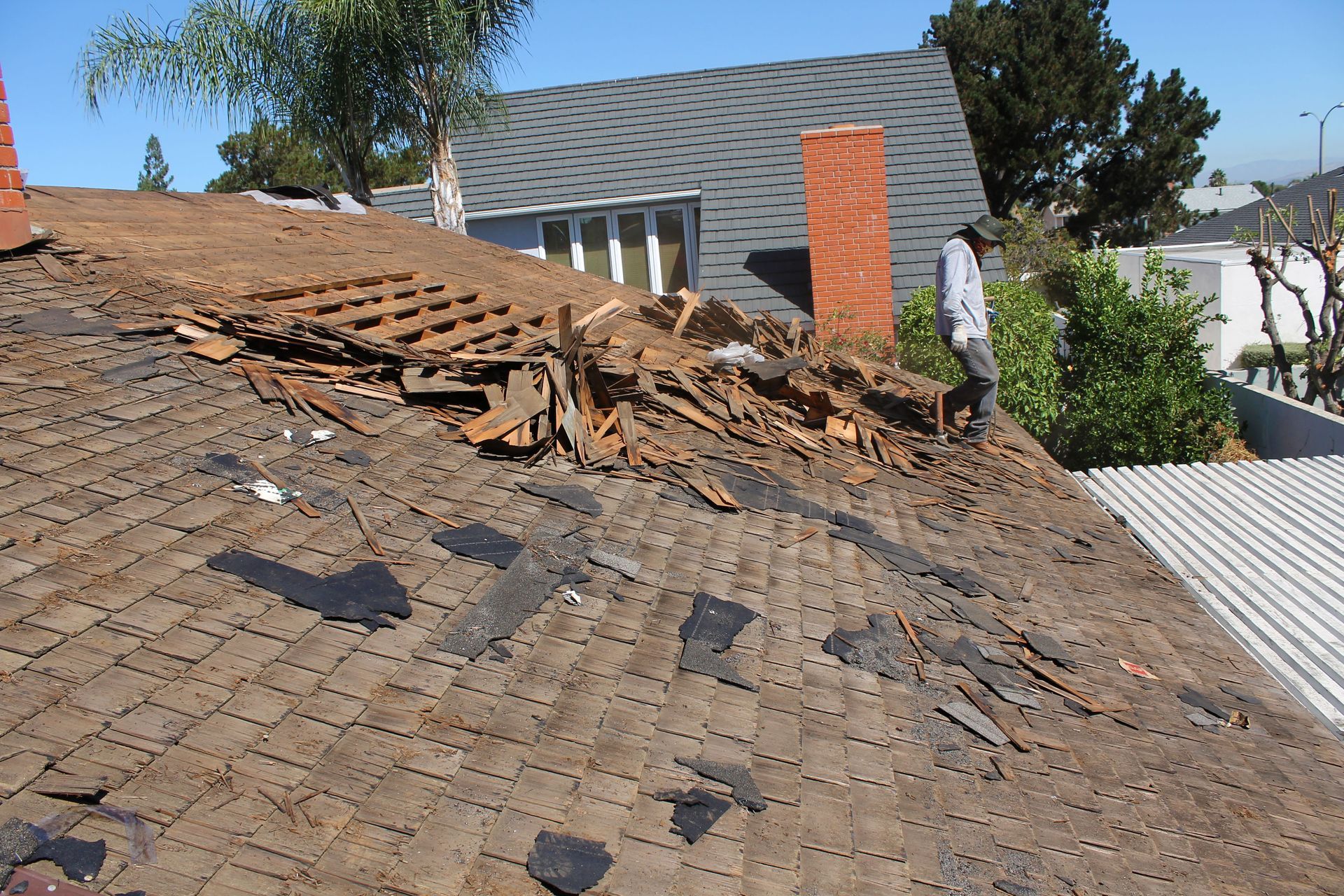
Shingle damage can be caused by a range of factors, including harsh weather conditions, age, and poorly maintained roofs. High winds can lift and tear shingles, while hailstorms might cause them to crack. Over time, shingles become brittle, and temperature fluctuations can make them prone to cracking and curling. Problems with shingles are not purely cosmetic; they could expose your roof's underlayment to water. It's essential to inspect for shingle damage periodically, especially after a storm, to ensure that your roof is performing optimally.
2.2 How Missing Shingles Affect Roof Performance
The absence of even a few shingles can create vulnerabilities in your roofing system. Missing shingles mean water can penetrate the protective layers and reach the roof deck, causing leaks. This can further lead to rot and structural damage if not addressed promptly by a professional contractor. Your home’s thermal envelope can also become compromised, resulting in heat loss or gain and higher energy bills. Noticing missing or damaged shingles and attending to them immediately prevents costly repairs down the line.
2.3 Recognizing the Signs of Shingle Wear
Shingle wear can manifest in several ways, including granule loss, curling, and discoloration. Granule loss not only affects the aesthetic appeal of your roof but also its UV protection, shortening the shingle’s lifespan. Curling shingles indicate that the materials are beginning to fail from age or poor ventilation. Discoloration could suggest moss growth, which is detrimental as it retains moisture against the shingles. Regular visual inspections assist homeowners in recognizing early signs of wear, allowing for timely interventions.
3. Sagging or Dipping Roof Areas
3.1 Understanding Structural Integrity
The structural integrity of your roof is essential to your home's safety and functionality. Sagging or dipping areas on the roof can indicate issues with the support beams or underlying structure. These issues typically arise from prolonged water exposure, excess weight on the roof, or age-related wear. A roof's structural components are designed to distribute weight and pressure evenly, but when compromised, it can lead to severe safety risks. Addressing these structural issues with a professional can restore the roof’s performance and safety.
3.2 Causes and Risks of Roof Sagging
Several factors can lead to a sagging roof, with waterlogged shingles and structural deficiencies being at the forefront. Excessive weight from snow or debris left unchecked can apply undue pressure on roof supports. Older homes may suffer sagging from a lack of reinforcement or deteriorated construction materials. Sometimes, the issue can be traced back to improper roof installation practices leading to long-term structural issues. Spotting sagging areas early allows for proactive measures, mitigating severe damage. Ignoring a sagging roof can lead to substantial structural risks, including total collapse. Consulting with a qualified roofing contractor when sagging is observed can avert these costly and dangerous scenarios.
4. Granule Loss and Gutter Blockages
4.1 Meaning and Signs of Granule Loss
Granules are vital to the performance and lifespan of asphalt shingles, providing UV protection and enhancing aesthetic appeal. Loss of these granules signals that shingles are aging and deteriorating, which can further expose the roof to damages. Common indicators of granule loss include bald spots on shingles and increased granules in gutters after rain. Homeowners should monitor this sign closely as it can result from regular wear or aggressive environmental factors. Timely professional assessment can prevent further degradation of roof integrity.
4.2 Gutter Maintenance and Roofing Health
Gutters play a critical role in preserving roof health by effectively directing water away from the roof and foundation. Blockages hinder this function leading to water overflow and potential seepage into materials, exacerbating roofing problems. Regular gutter cleaning and inspections can prevent clog-related issues, preserving roof integrity over time. Homeowners should ensure gutters are clear, particularly after storms or heavy leaf falls, to maintain effective roof drainage. Employing professionals for periodic maintenance ensures gutters and downspouts function optimally.
5. Increased Energy Bills
5.1 Roof Damage and Insulation Efficiency
Fluctuations in your energy bills can be an indirect warning sign of roof damage. Damaged roofs can allow heat exchange due to poor sealing and insulation loss, undermining home energy efficiency. A compromised roof leads to increased reliance on heating and cooling systems to maintain a comfortable indoor climate. Unexplained rises in energy costs should prompt a roof inspection to identify potential leakages or insulation breaks. Addressing these issues protects indoor comfort and reduces the financial burden of excessive utility bills.
Understanding the signs that indicate a need for roofing repairs is essential for maintaining home safety and infrastructure integrity. Indicators like visible leaks, structural sagging, aging materials, and increasing energy bills are all crucial factors that homeowners must recognize and act upon promptly. Timely roof assessments and professional interventions can safeguard against escalating costs and severe home damage. The insights from this article stress ongoing maintenance importance and the wisdom of engaging roofing industry experts. Taking proactive steps ensures long-term roof health and the overall security of your home. For more information, contact 5K Commercial Roofing LLC.